Hindu Marriage Muhurat Calendar 2026 — Complete Panchang Guide
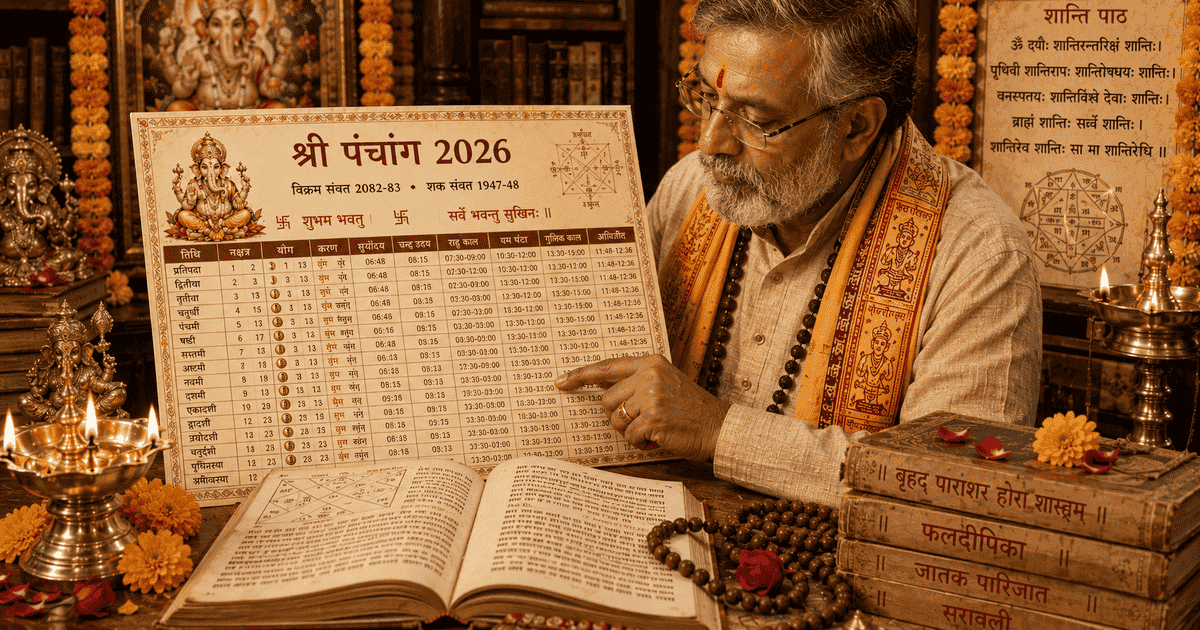
The Hindu Vivah Muhurat is not merely a date — it is a precise astrological calculation that determines the most auspicious window for a wedding ceremony. Rooted in thousands of years of Vedic astronomy, the muhurat system identifies specific combinations of lunar day (Tithi), weekday (Vara), birth star (Nakshatra), and auspicious yoga that together create the ideal cosmic conditions for a new marriage to begin.
This guide explains how Hindu marriage muhurat works, what your pandit is calculating, and provides key 2026 muhurat dates with astrological context.
What Is a Marriage Muhurat?
A Vivah Muhurat is a time window — usually spanning 1–4 hours — on a specific auspicious date when the planetary configuration is most conducive for beginning a marriage. The ceremony's key rituals (Saptapadi / Phere) must be completed within this window.
The Six Factors of Panchang (Shuddhi)
A complete Panchang analysis for a marriage muhurat considers:
1. Tithi (Lunar Day)
Of the 30 lunar days in a month, the following are generally auspicious for weddings:
- Auspicious: 2nd, 3rd, 5th, 7th, 10th, 11th, 13th Tithis
- Avoid: 4th (Chaturthi), 9th (Navami), 14th (Chaturdashi), New Moon (Amavasya), Full Moon (Poornima) in some traditions
2. Vara (Weekday)
Days of the week ranked for wedding auspiciousness:
- Most Auspicious: Monday, Wednesday, Thursday, Friday
- Acceptable: Sunday
- Avoid: Tuesday (Mangalvar — Mars' day, despite the ironic name), Saturday (Shanivar)
3. Nakshatra (Birth Star)
The most auspicious Nakshatras for weddings:
- Rohini, Mrigashira, Magha, Uttara Phalguni, Hasta, Swati
- Anuradha, Mool, Uttara Ashadha, Uttara Bhadrapada, Revati
Avoid: Ashlesha, Jyeshtha, Moola (these are considered Gandamool Nakshatras and require special puja)
4. Yoga
Of the 27 Yogas, the following are considered auspicious for marriages:
- Auspicious Yogas: Siddha, Shubha, Amrit, Sadhya, Shiva, Mitra
- Avoid: Vaidhriti, Vyatipata (considered inauspicious)
5. Lagna (Auspicious Ascendant)
The Lagna (rising sign at the time of the ceremony) is critically important — this is what your pandit calculates to determine the specific 1–4 hour Muhurat window on an auspicious day.
Best Lagnas for marriage: Taurus (Vrishabh), Gemini (Mithun), Cancer (Kark), Leo (Simha), Libra (Tula), Sagittarius (Dhanu), Pisces (Meen)
6. Rahu Kaal (Daily Inauspicious Window)
Every day has a 90-minute Rahu Kaal window that must be avoided for any auspicious ceremony:
- Monday: 7:30–9:00 AM
- Wednesday: 12:00–1:30 PM
- Thursday: 1:30–3:00 PM
- Friday: 10:30 AM–12:00 PM
- Sunday: 4:30–6:00 PM
Tip: If your pandit gives you a muhurat window that starts at "10:45 AM on a Thursday," it's because they've calculated that both Rahu Kaal has ended AND the auspicious Lagna has risen by that time. Never casually delay the start of wedding rituals — the muhurat window is precise.
Key 2026 Vivah Muhurat Dates (Selected)
January 2026
- 16 Jan (Friday) — Uttara Ashadha Nakshatra | Shubha Yoga | Lagna: Tula | ~10:30 AM–12:00 PM
- 22 Jan (Thursday) — Rohini Nakshatra | Siddha Yoga | Lagna: Vrishabh | ~9:00 AM–11:00 AM
- 25 Jan (Sunday) — Mrigashira Nakshatra | Amrit Yoga | ~11:00 AM–1:00 PM
February 2026
- 5 Feb (Thursday) — Hasta Nakshatra | Shubha Yoga | Lagna: Kanya | ~10:00 AM–12:00 PM
- 13 Feb (Friday) — Uttara Phalguni Nakshatra | Siddha Yoga | Lagna: Tula | ~11:15 AM–1:15 PM
- 22 Feb (Sunday) — Rohini Nakshatra | Amrit Yoga | Lagna: Vrishabh | ~10:45 AM–12:45 PM
- 27 Feb (Friday) — Swati Nakshatra | Shubha Yoga | Lagna: Dhanu | ~11:30 AM–1:30 PM
March 2026
- 1 Mar (Sunday) — Anuradha Nakshatra | Siddha Yoga | ~10:30 AM–12:00 PM
- 8 Mar (Sunday) — Uttara Ashadha Nakshatra | Shubha Yoga | ~9:30 AM–11:30 AM
- 13 Mar (Friday) — Rohini Nakshatra | Amrit Yoga | Lagna: Vrishabh | ~10:00 AM–12:00 PM
November 2026
- 13 Nov (Friday) — Uttara Phalguni Nakshatra | Siddha Yoga | ~11:00 AM–1:00 PM
- 20 Nov (Friday) — Hasta Nakshatra | Shubha Yoga | Lagna: Tula | ~10:30 AM–12:30 PM
- 22 Nov (Sunday) — Swati Nakshatra | Amrit Yoga | ~11:15 AM–1:15 PM
- 27 Nov (Friday) — Rohini Nakshatra | Siddha Yoga | Lagna: Vrishabh | ~10:00 AM–12:00 PM
Important Disclaimer: The muhurat times listed above are approximate illustrative examples based on general Panchang principles. Actual muhurat times depend on your geographic location (city), the specific birth details of the couple, and current-year Panchang calculations. Always consult a qualified Jyotishi or family pandit for your specific wedding muhurat calculation.
How to Work with Your Pandit to Finalise the Muhurat
- Provide both partners' full birth details: date, time, and place of birth
- Ask for 3–5 auspicious date options in your preferred month range
- For each date, get the specific muhurat window (start time and end time)
- Cross-check venue availability against these dates
- Once date and muhurat are confirmed, build your ceremony schedule backward from the muhurat time
Muhurat vs. Guest Arrival Time
A common logistical mistake: the muhurat time is when the main ceremony (Phere/Saptapadi) must begin — not when guests arrive. Always communicate two separate times in your invitation:
- "Guests requested to be seated by 10:00 AM" — arrival/seating time
- "Shubh Muhurat: 10:30 AM to 12:15 PM" — ceremony window
Create Your Own Invitation in Minutes
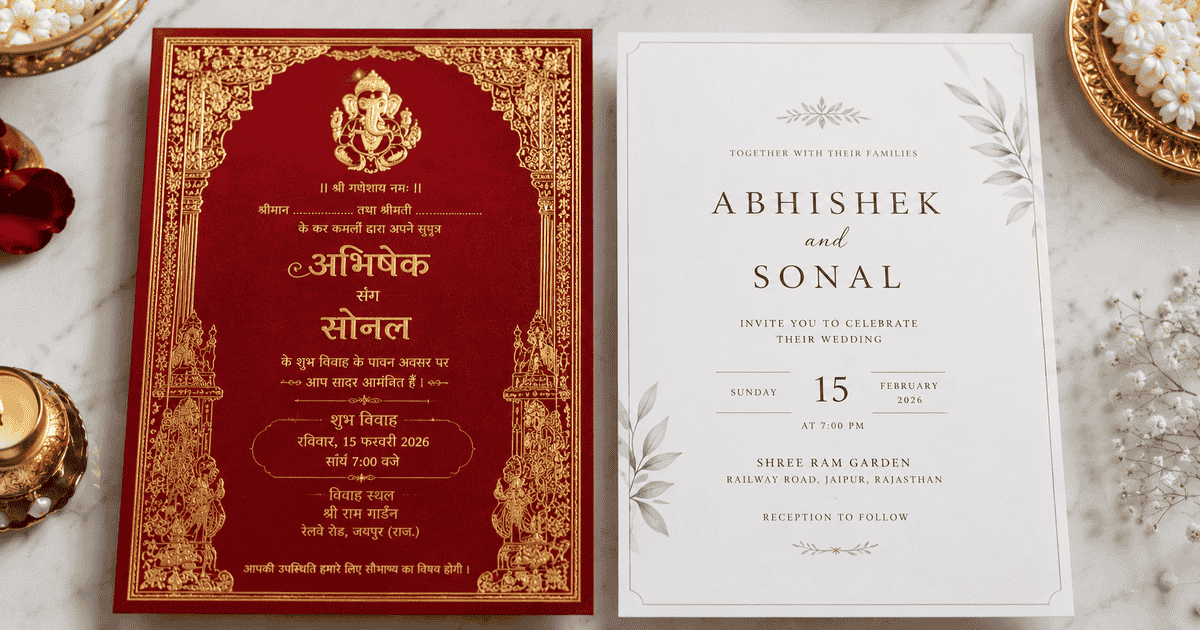
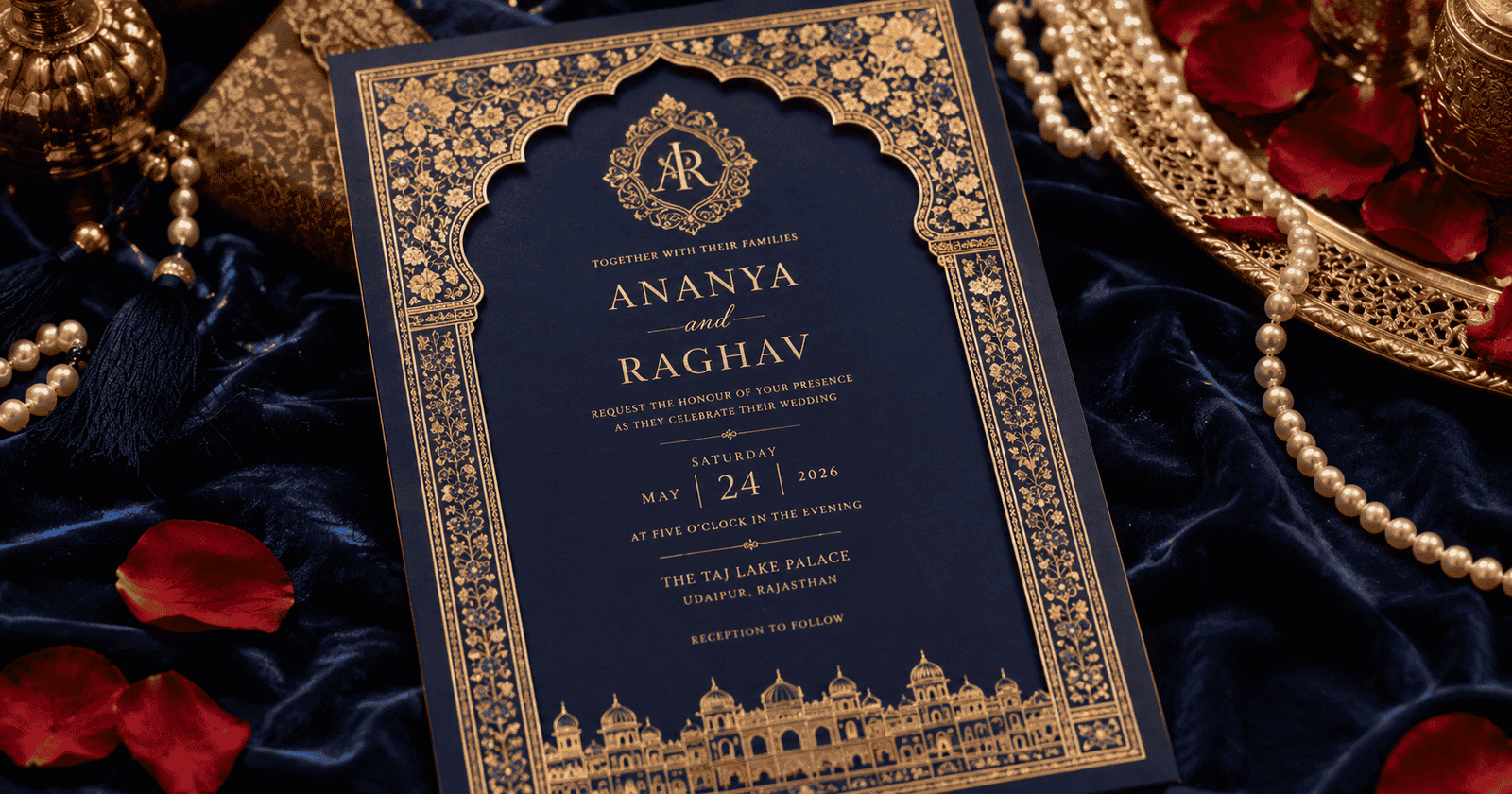
With your muhurat confirmed, design your perfect wedding invitation on einvits.com. Include muhurat details, sub-event timings, and venue information — all in one beautiful digital card. Free to get started.
Get Started FreeFinal Thoughts
The Hindu marriage muhurat is one of the most thoughtful elements of Indian wedding planning. It honours the belief that the best beginnings happen when celestial and personal energies align. Whether you are deeply traditional or use the muhurat as a respectful nod to heritage, understanding what your pandit is calculating — and why — adds meaning and intention to the moment when you and your partner begin your life together.